Forestry Mulching Clears Usable Woodland Space at St. John Lutheran School in Wausau
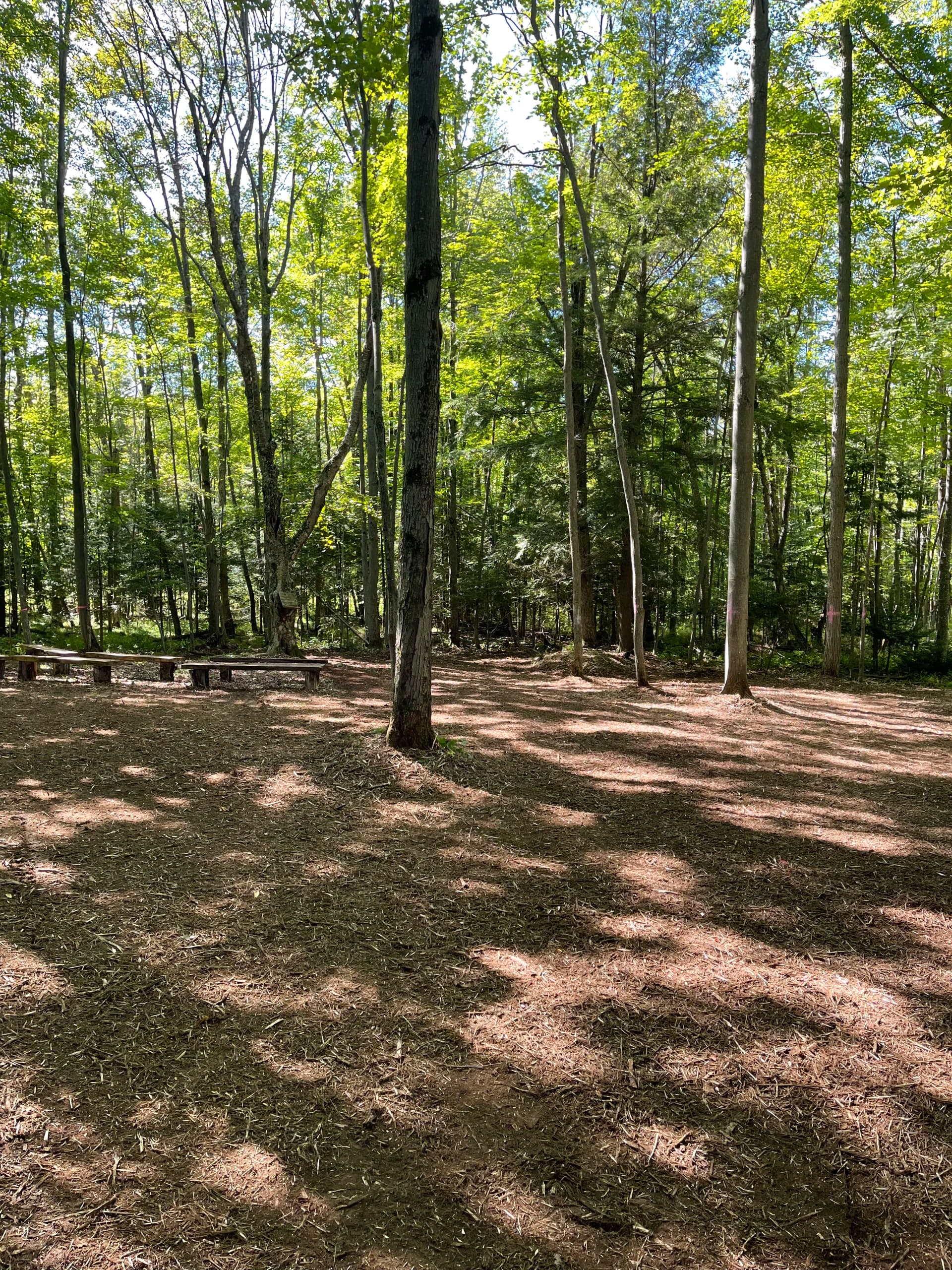
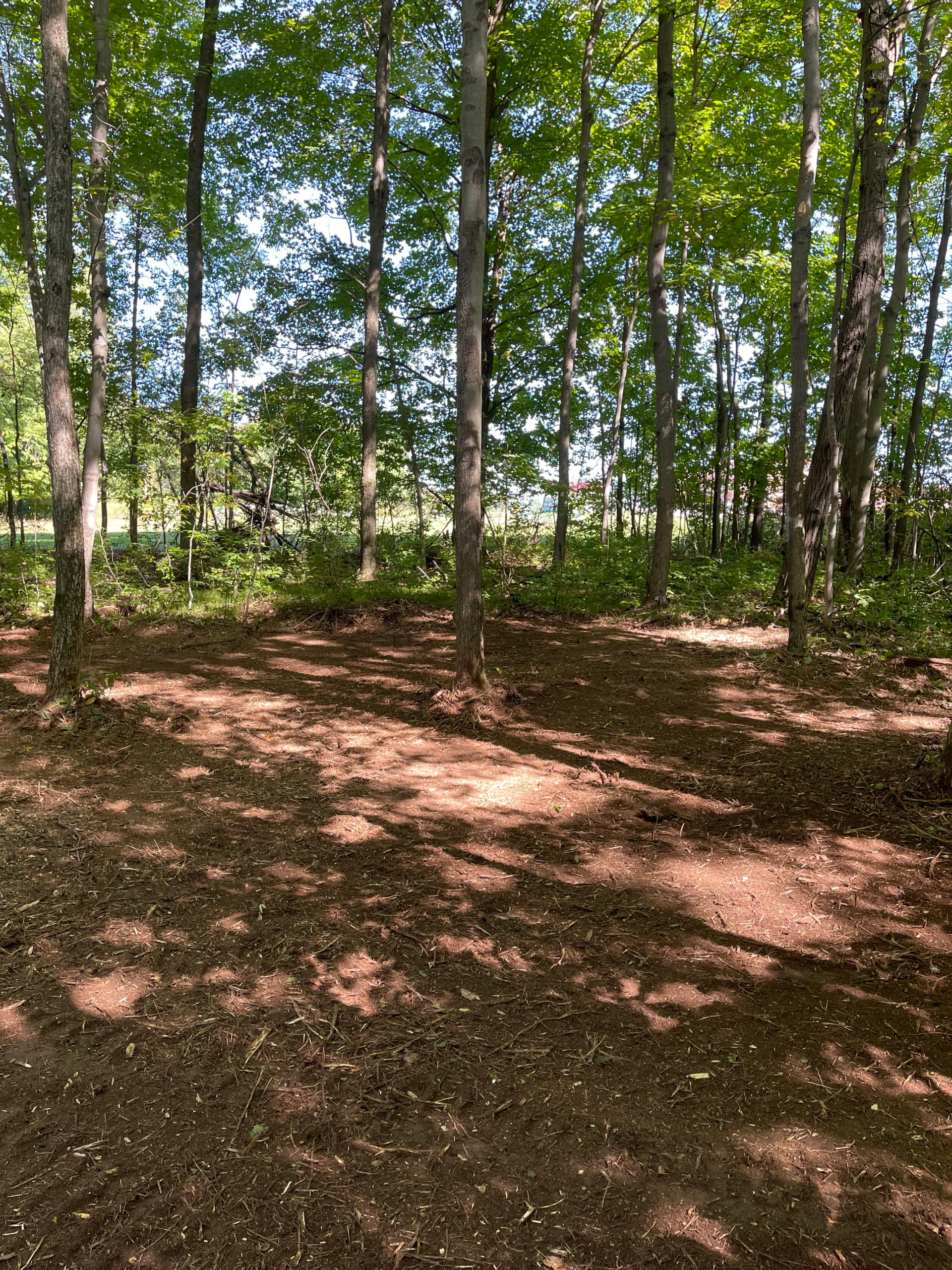
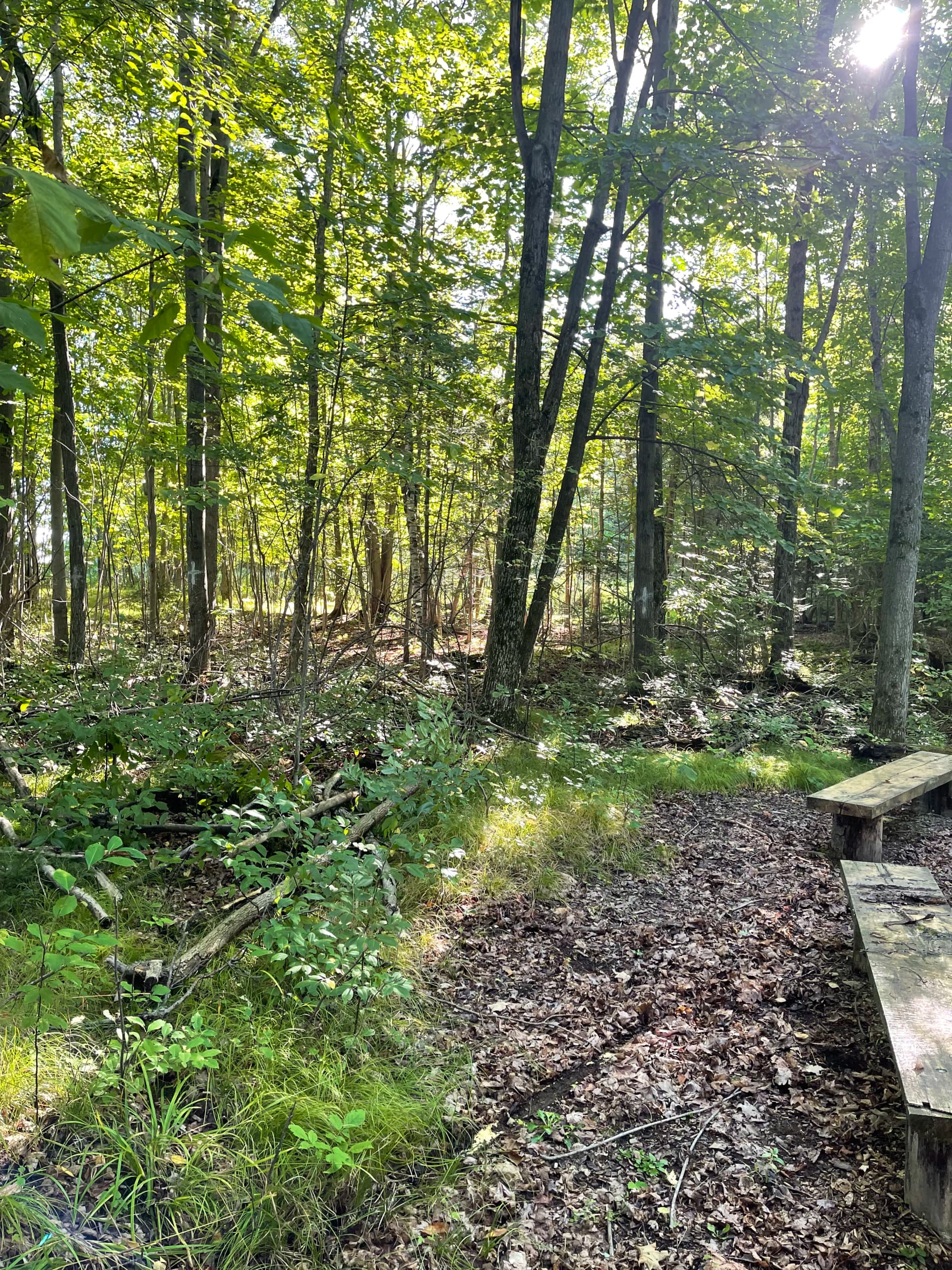
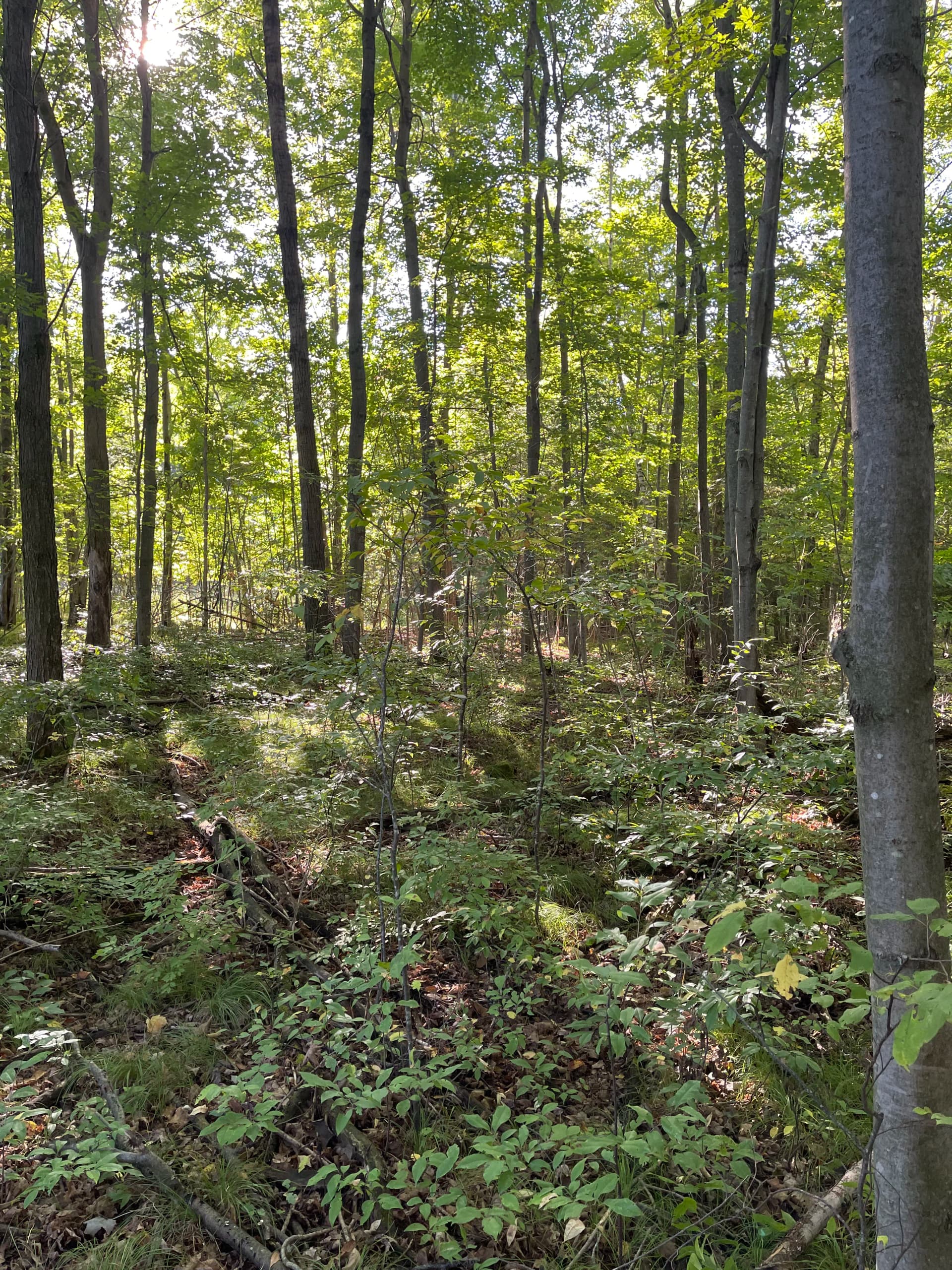
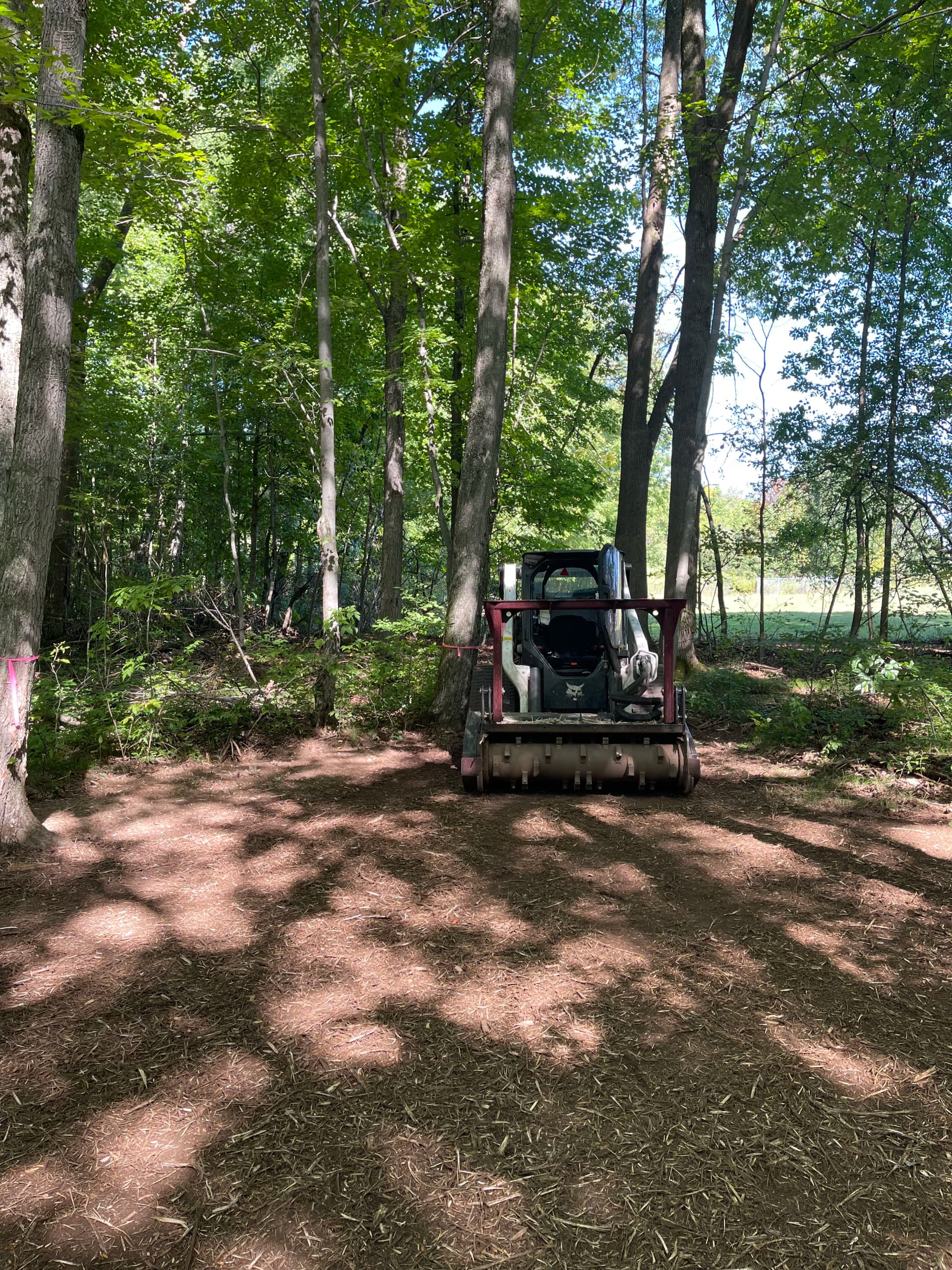
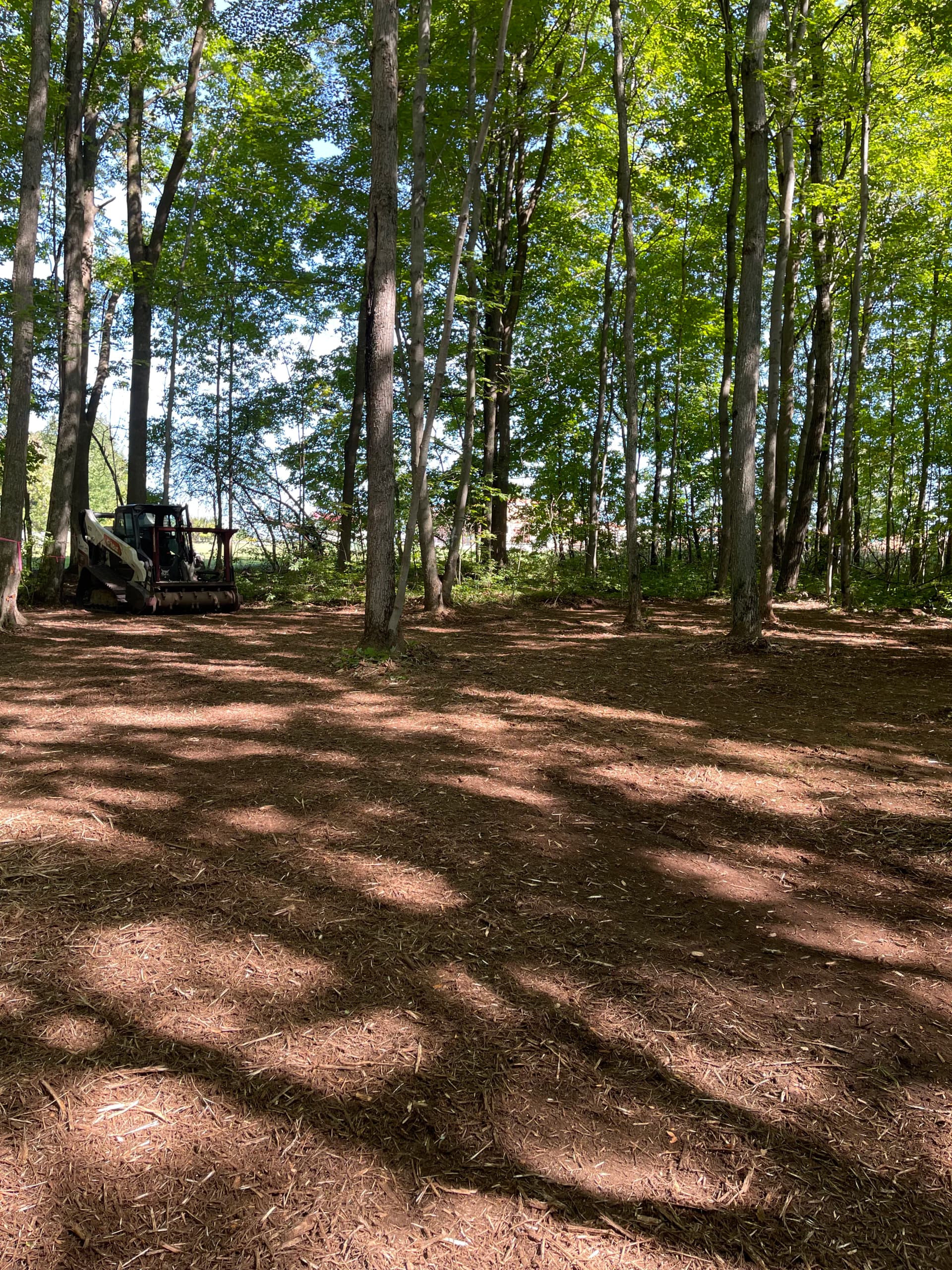
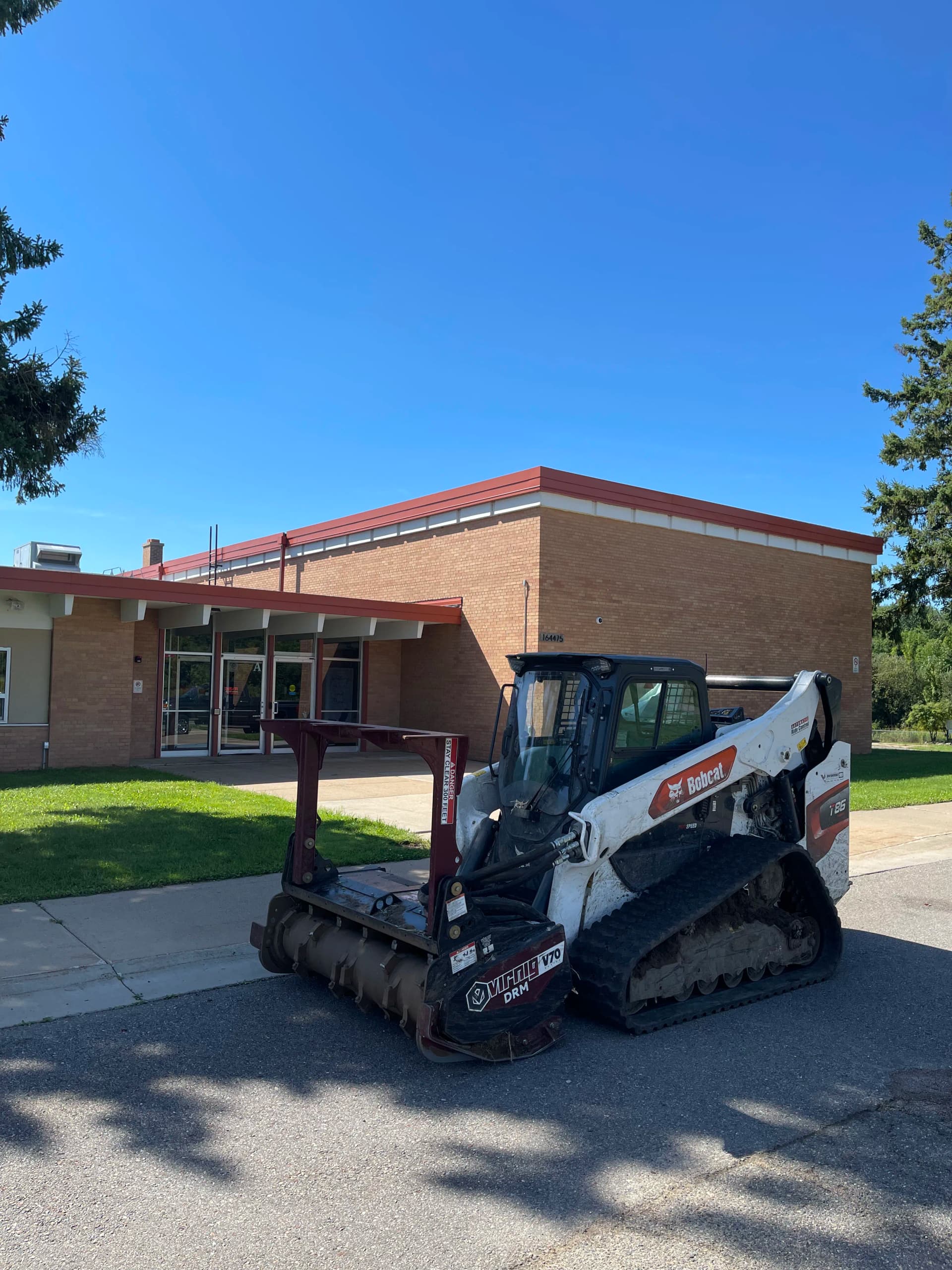
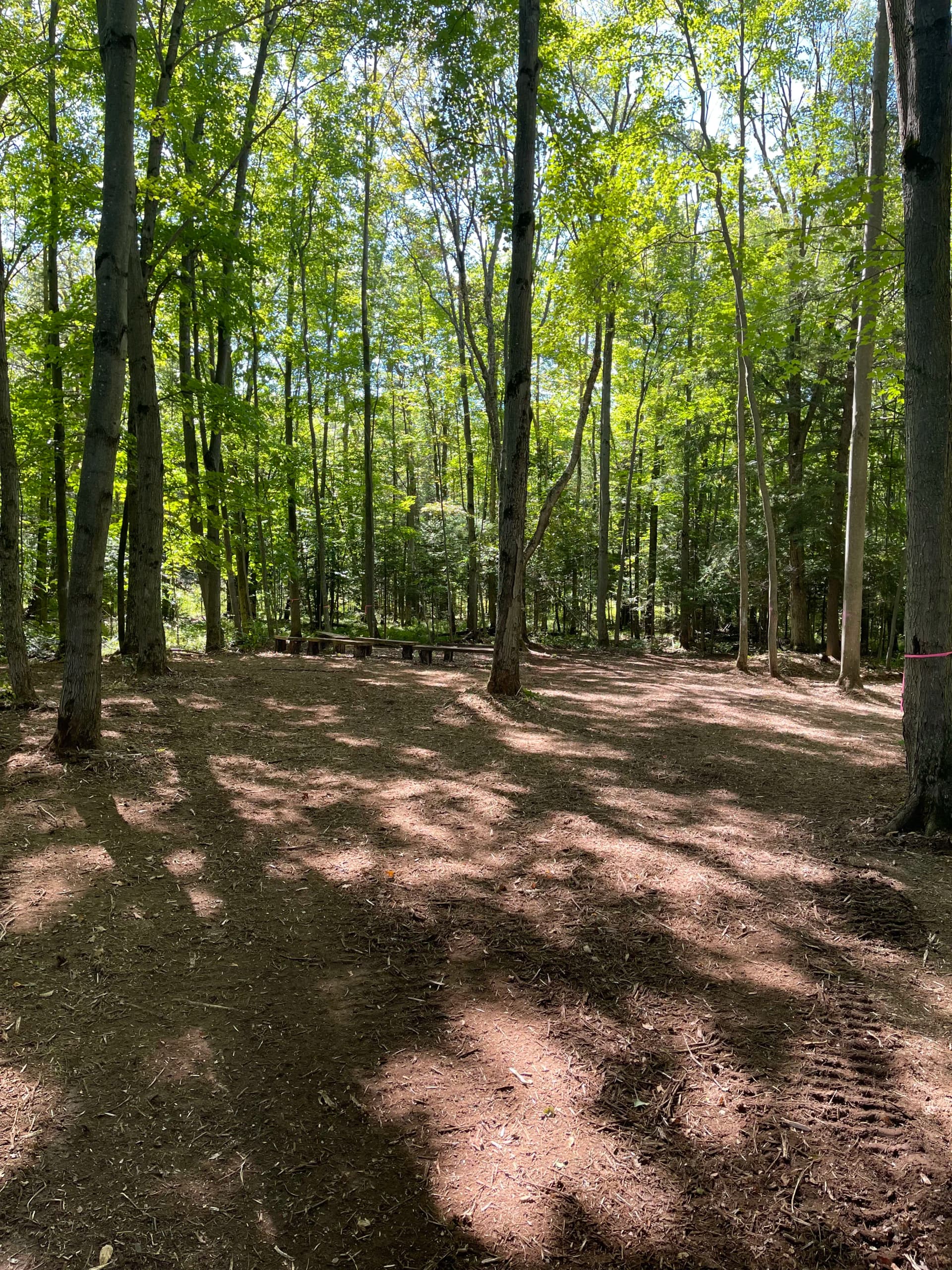
We got called out to St. John Lutheran School in Wausau to tackle the wooded area behind the building. The space had a lot of potential - existing benches were already back there - but dense undergrowth, fallen branches, and thick brush were making it basically unusable. You couldn't really move through it, let alone let kids play back there safely.
That's where forestry mulching comes in. Instead of hauling in a crew with chainsaws and dump trucks, we brought in the Bobcat with a mulching head attachment and got to work. The machine grinds everything down - brush, saplings, deadfall - right on the spot. No hauling, no burning, no tearing up the ground with heavy equipment. What's left behind is a clean layer of mulch that actually helps protect the soil.
The difference here is pretty significant. What was a wall of undergrowth and debris became an open, walkable woodland space with clean sightlines between the mature trees. The ground stayed intact. The big trees stayed standing. The area went from being an afterthought to being somewhere kids can actually use.
That's the thing most people don't realize about forestry mulching - it's not just about cleaning up a mess. It's about doing it in a way that doesn't create a bigger mess in the process. No ruts, no stumps, no piles of brush sitting around waiting to be hauled off. It's one pass and it's done. For school grounds, commercial properties, or residential lots here in central Wisconsin, that efficiency matters.
If you've got a wooded area on your property that's gotten out of hand, this is worth knowing about. Overgrown lots, tangled fence lines, brush-choked back acreage - forestry mulching handles all of it without the hassle of traditional clearing methods.