Forestry Mulching Opens Up Fresh Trails Near Lake DuBay
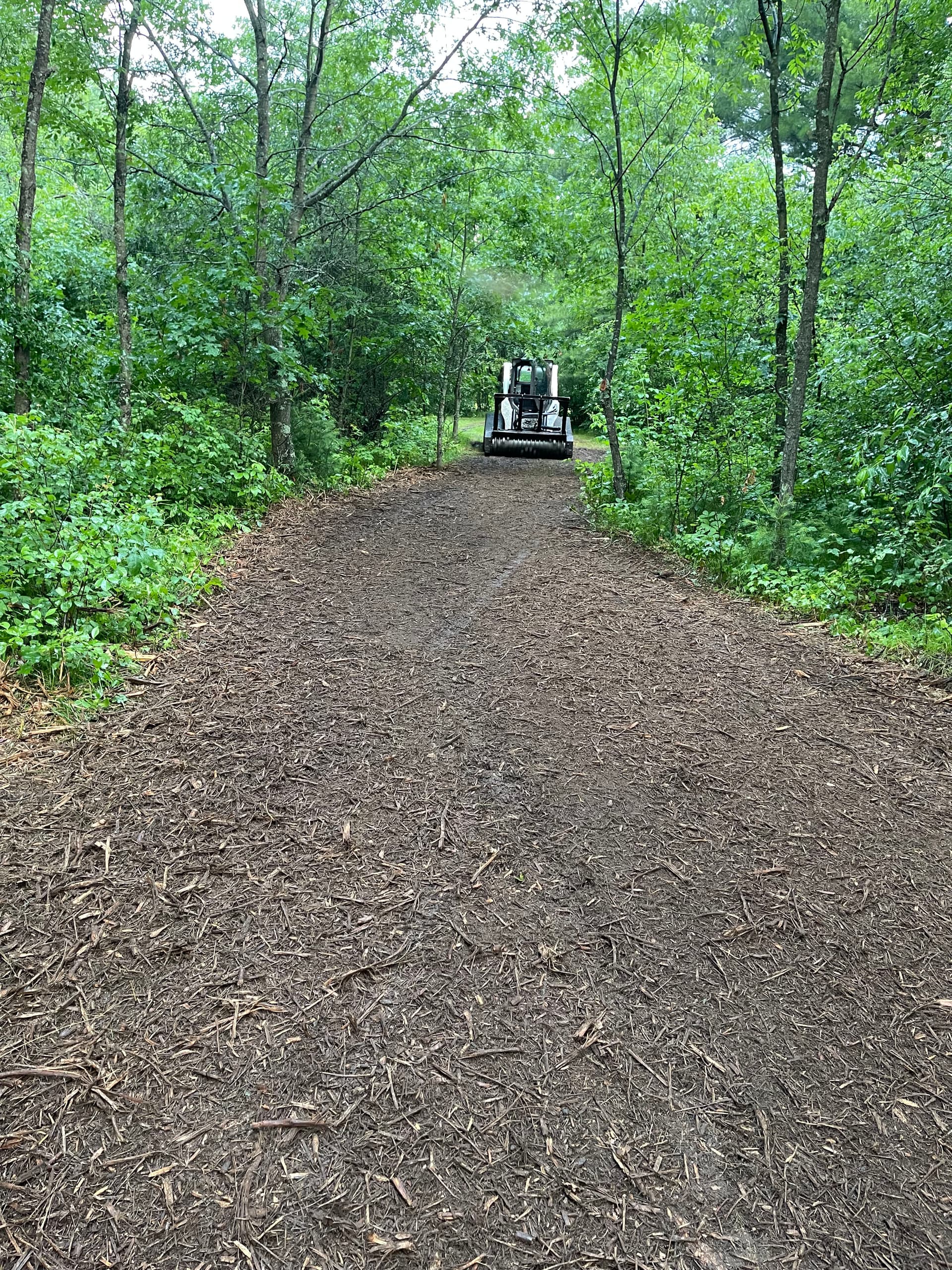
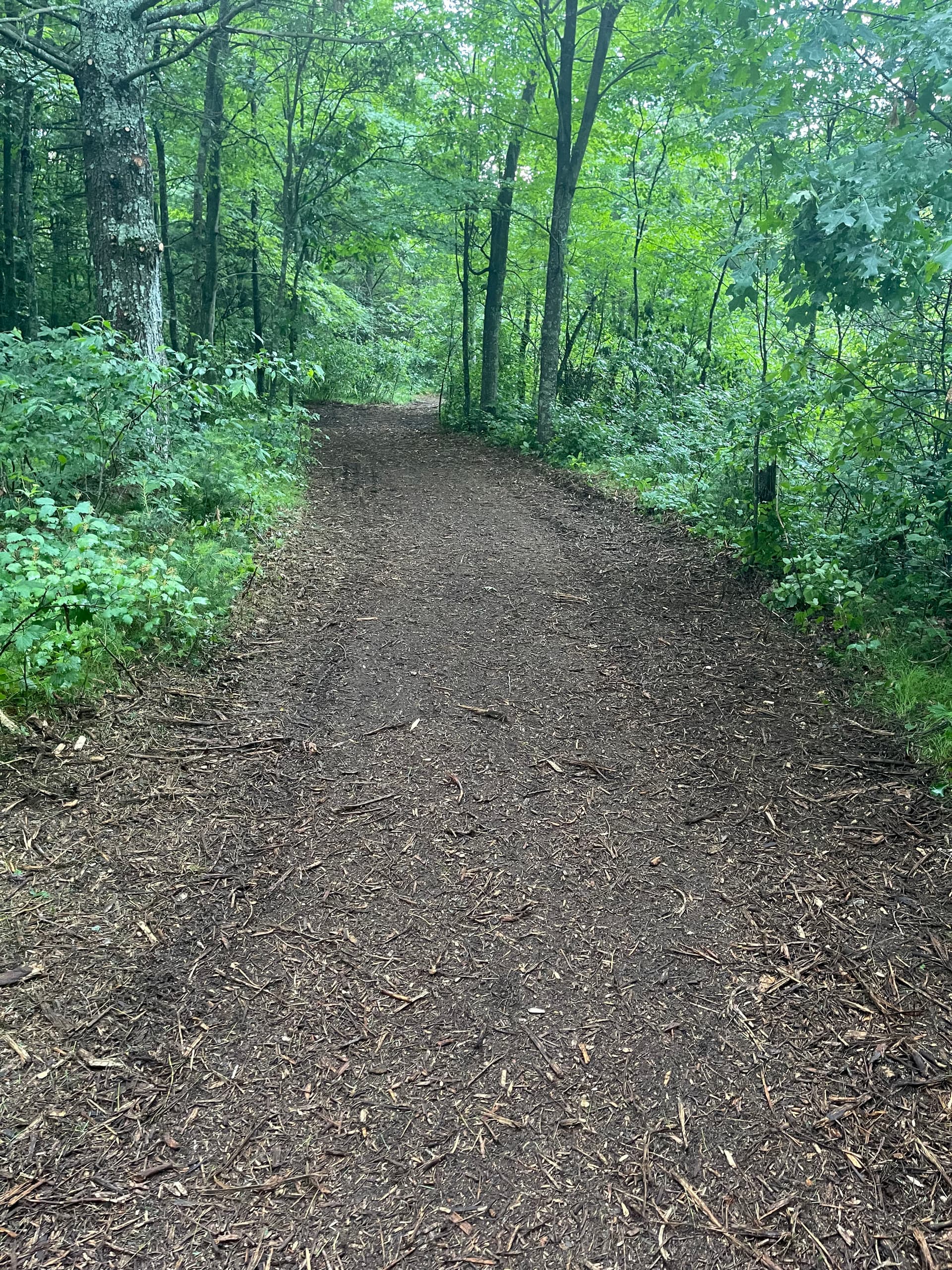
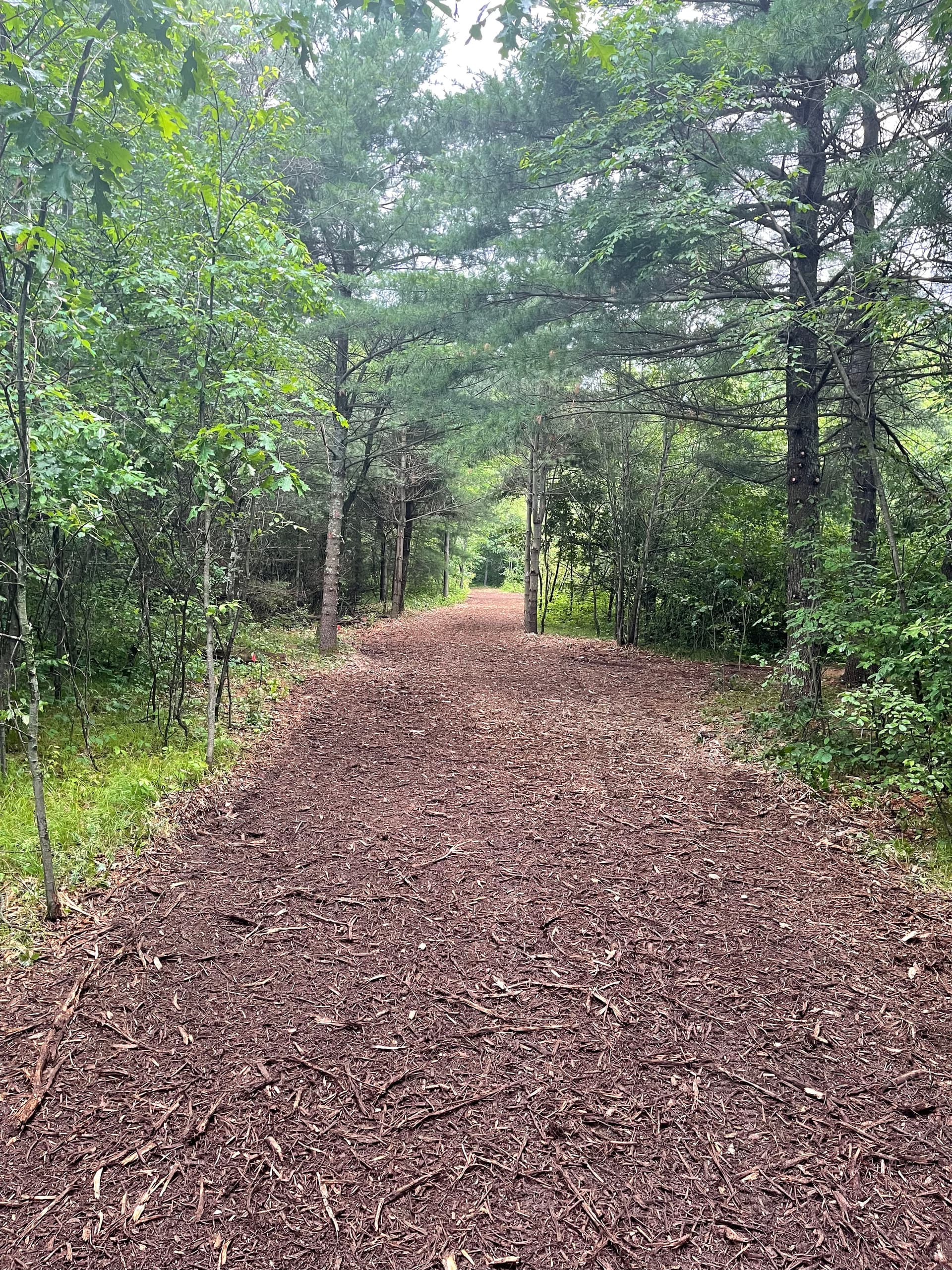
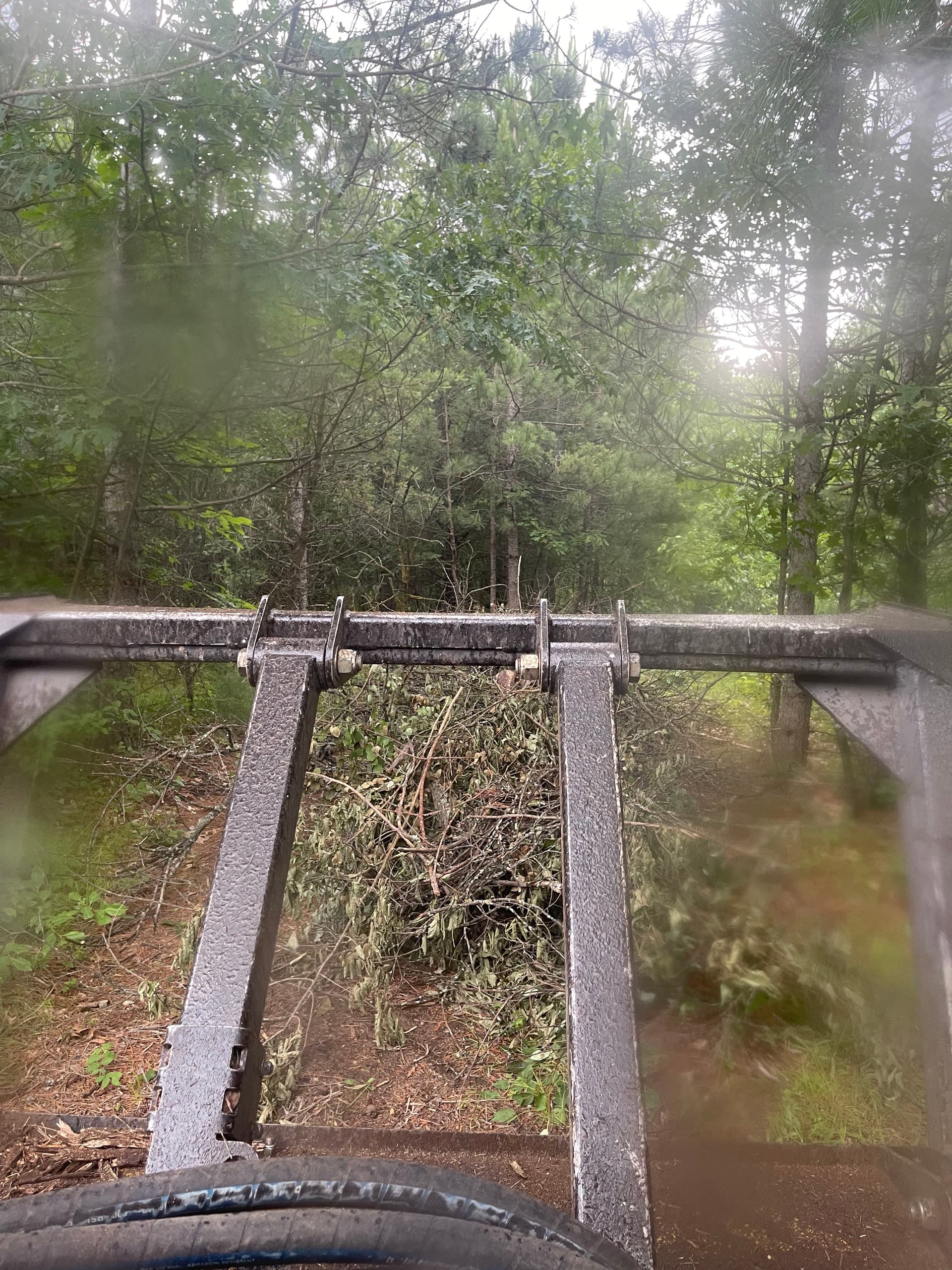
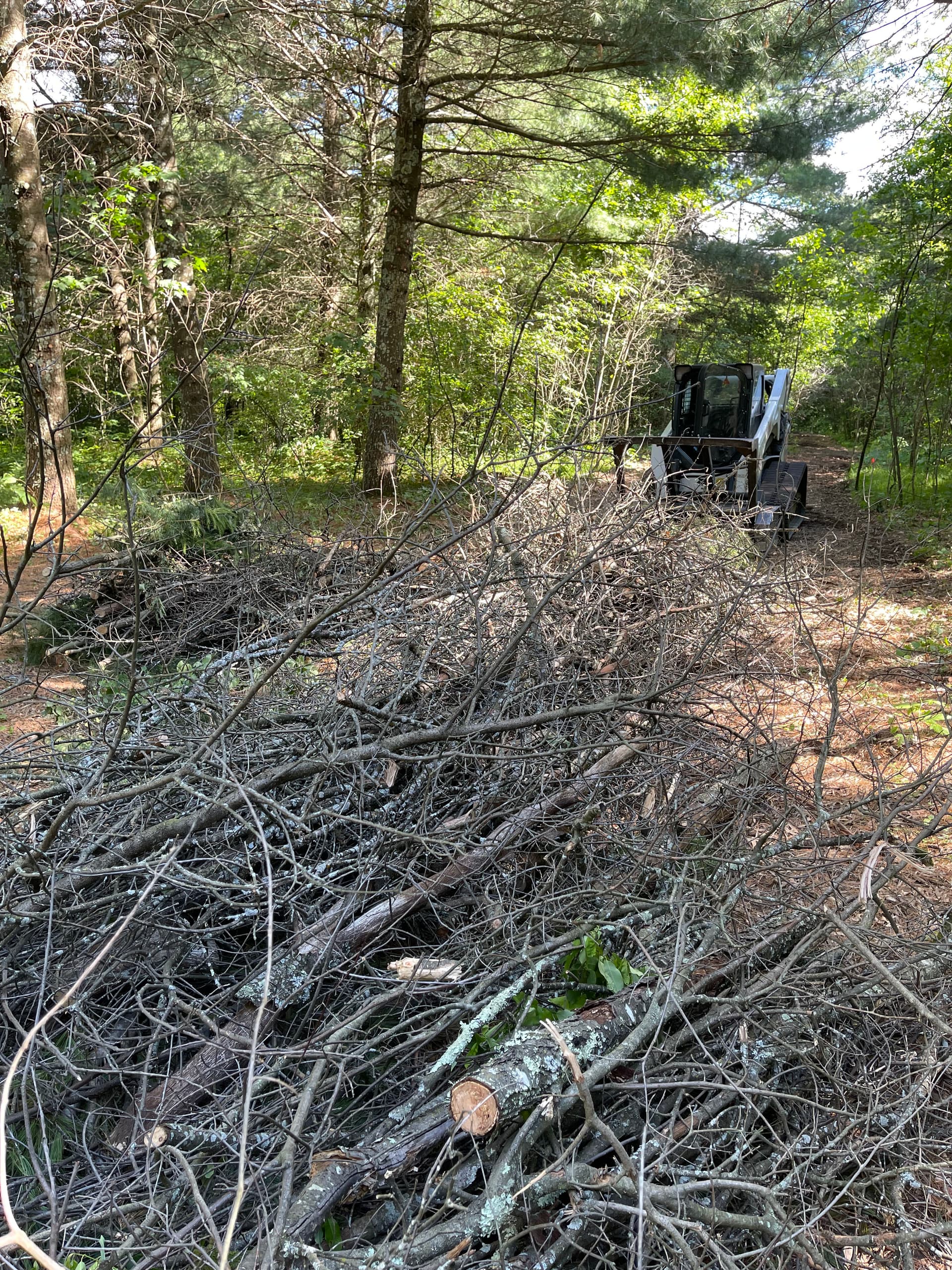
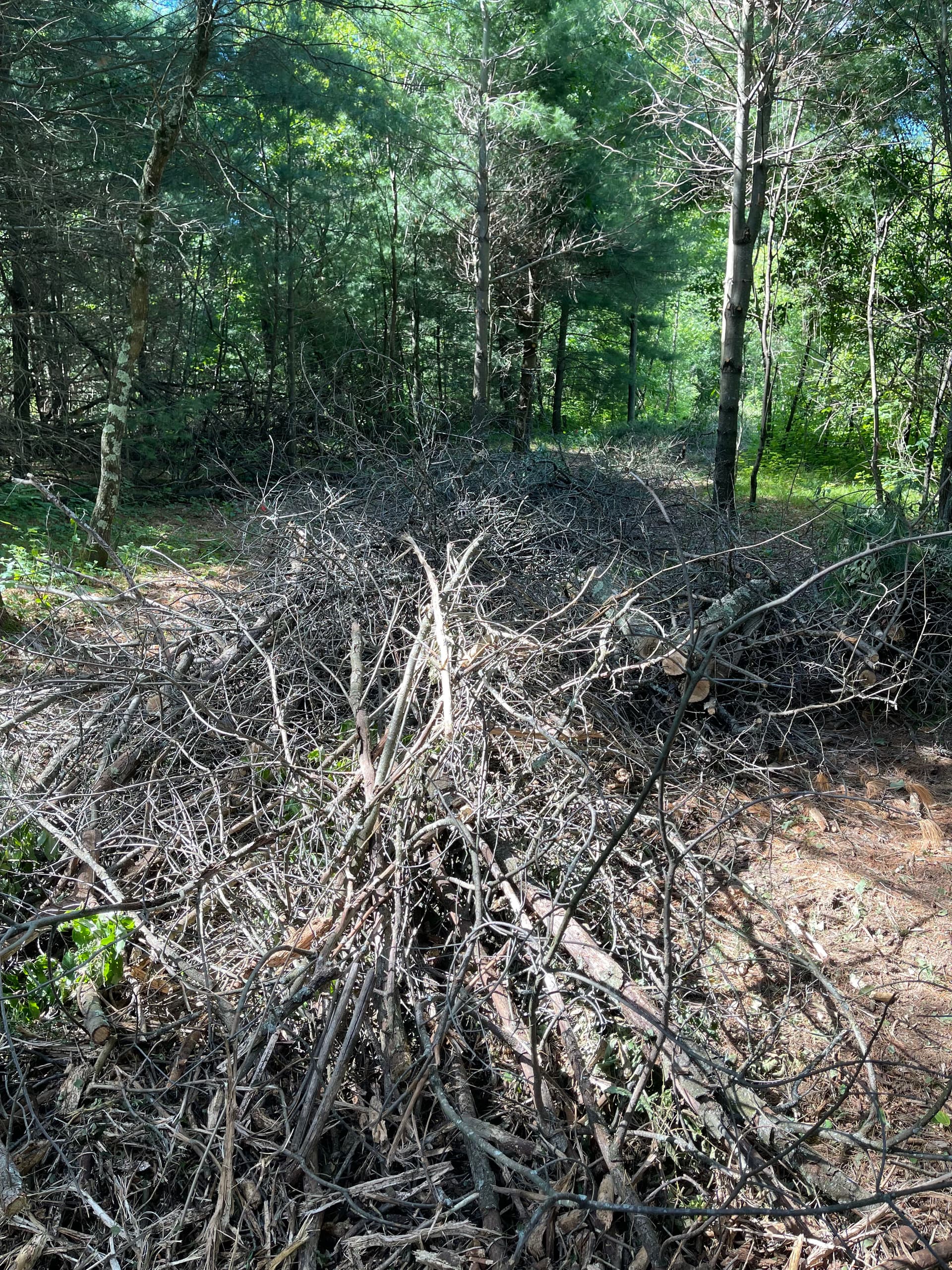
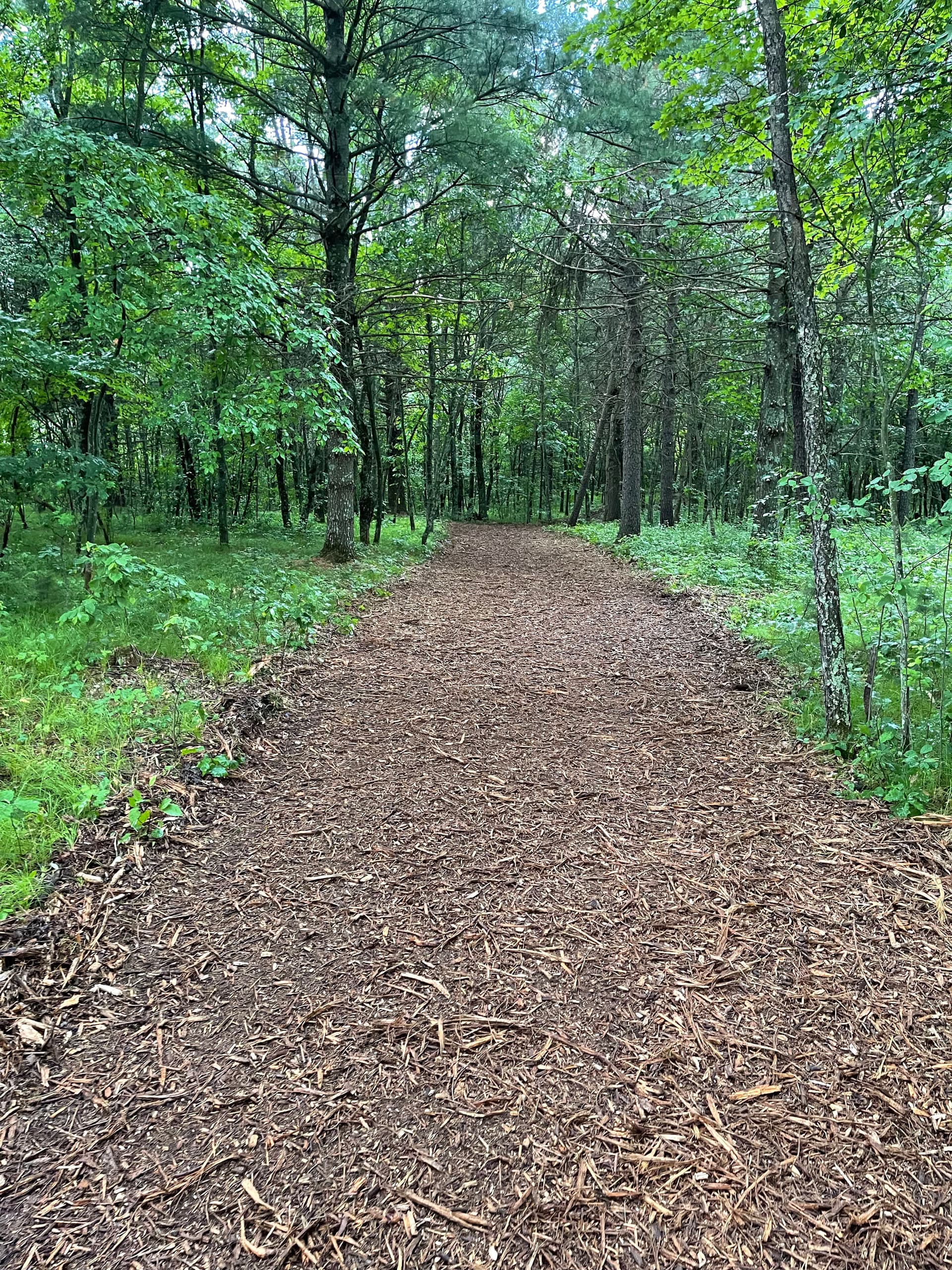
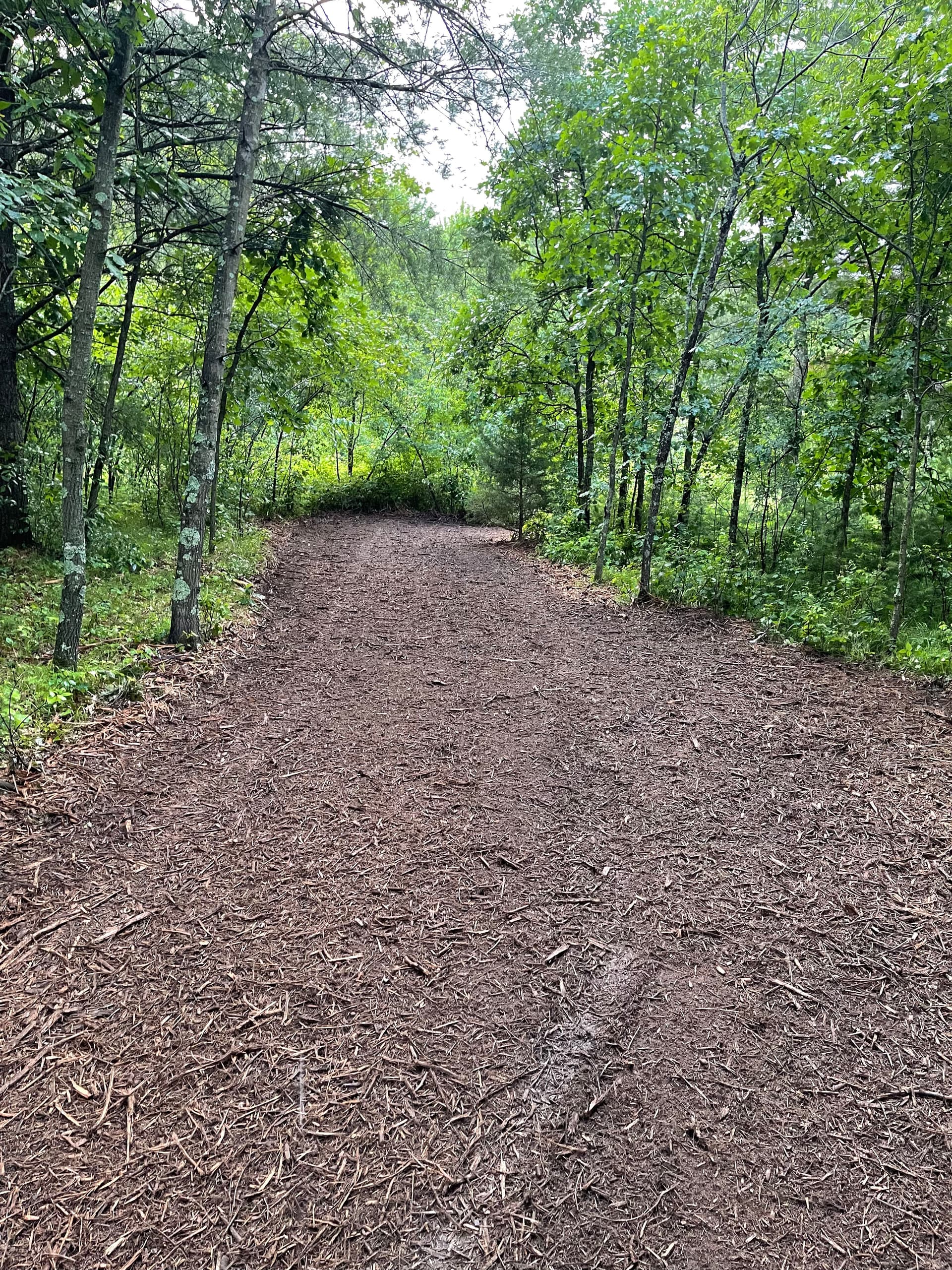
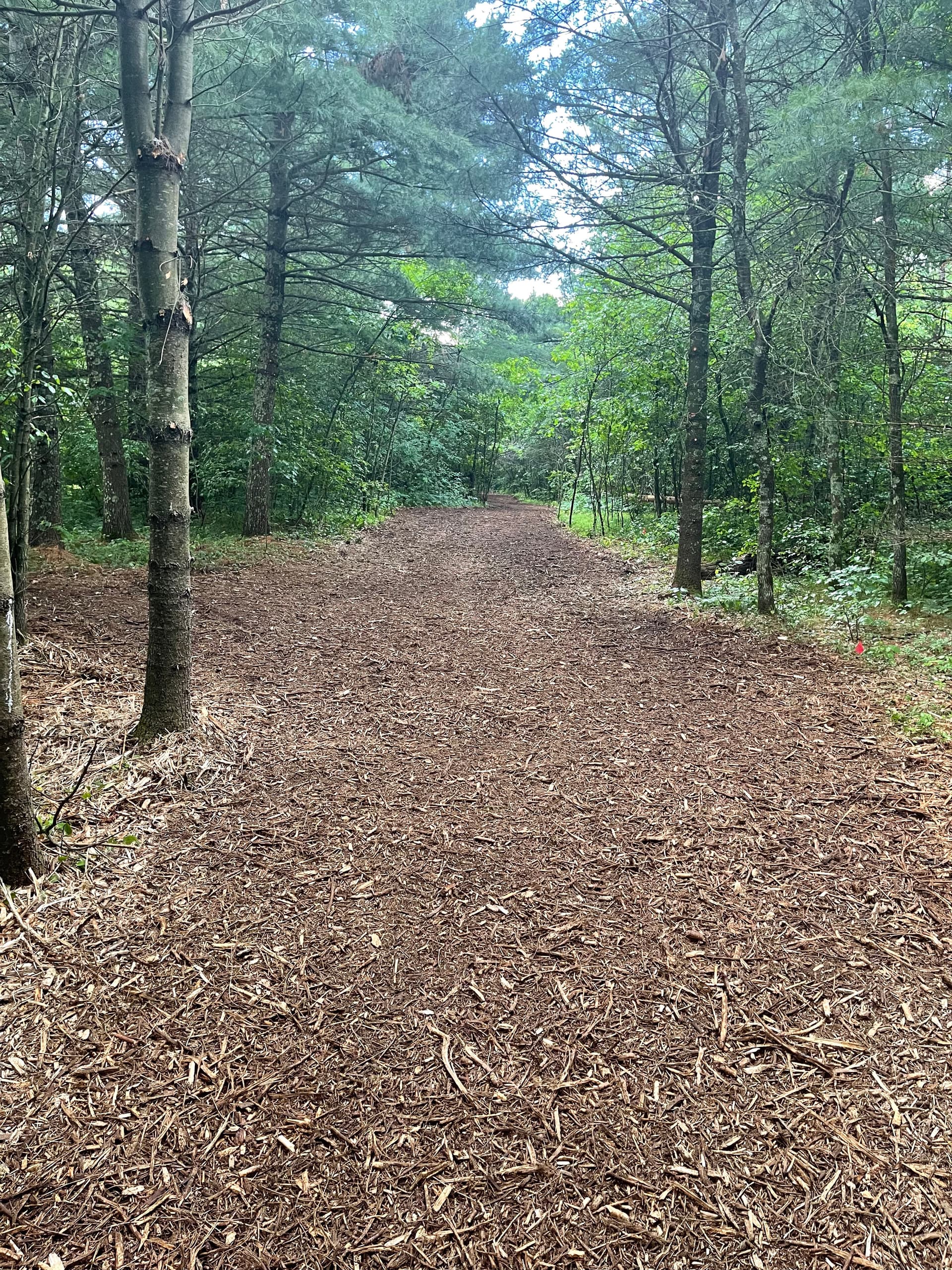
A lot of wooded properties out there have the same problem - the land is beautiful, but you can't actually get through it. Overgrown brush, downed branches, tangled undergrowth piled up over years. Getting from point A to point B on your own property shouldn't feel like a bushwhacking expedition. That's exactly the kind of situation we dealt with near Lake DuBay on this one.
Here's what we were working with before we got started - dense brush piled thick enough to block any real access, brittle deadwood stacked up in heaps, and no clear path through the trees. It's the kind of mess that looks like a huge project when you're standing in front of it. And honestly, it was. But that's where forestry mulching really earns its keep.
Forestry mulching is a single-machine process. The mulcher grinds through brush, small trees, and woody debris all at once - and what's left behind isn't a torn-up muddy mess. It's a clean, mulched surface that actually holds up well underfoot and blends right into the surrounding woods. No hauling loads of debris off-site. No ruts left behind from heavy equipment dragging material out. The land stays intact while the access opens up.
What we ended up with here are wide, clean trails that wind through the timber and actually go somewhere. The finished paths have a natural look to them - mulched surface, standing trees on both sides, clear sightlines ahead. It's usable and it looks good. That combination matters a lot when you're talking about lake property or recreational land where the whole point is to enjoy being outside.
Whether you're looking to cut new trails, clean up overgrown corners of your property, or just get better access to areas you haven't been able to reach - forestry mulching is one of the most efficient ways to get it done without wrecking what you've already got.