Gravel Floor Installation for a New Pole Barn in Kronenwetter
A new pole barn is exciting - but without a solid floor, it's hard to actually use the space. Dirt floors get muddy. They shift. They make storing equipment or doing any kind of work a headache. That's why getting the floor right from day one matters more than most people think.
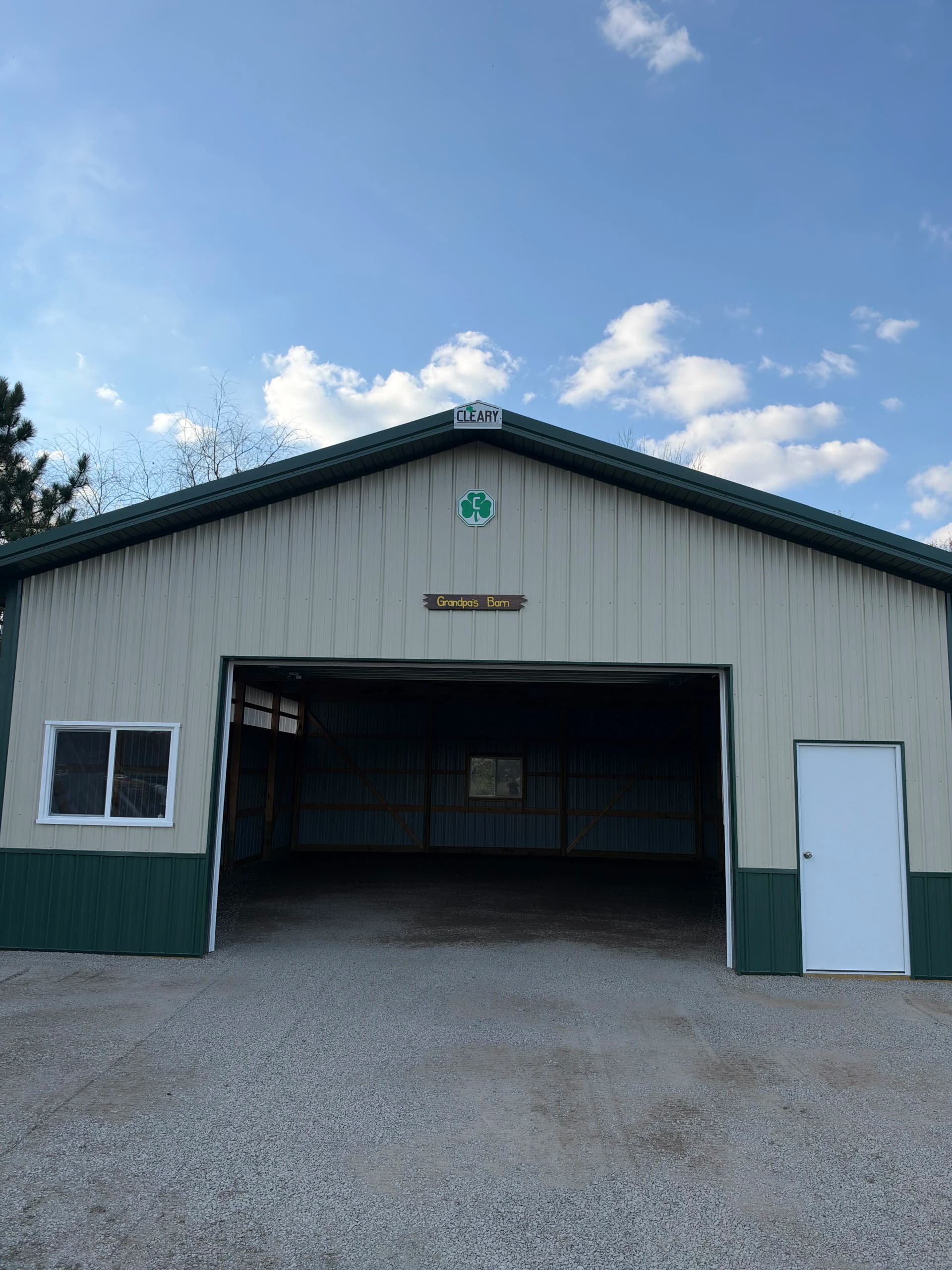
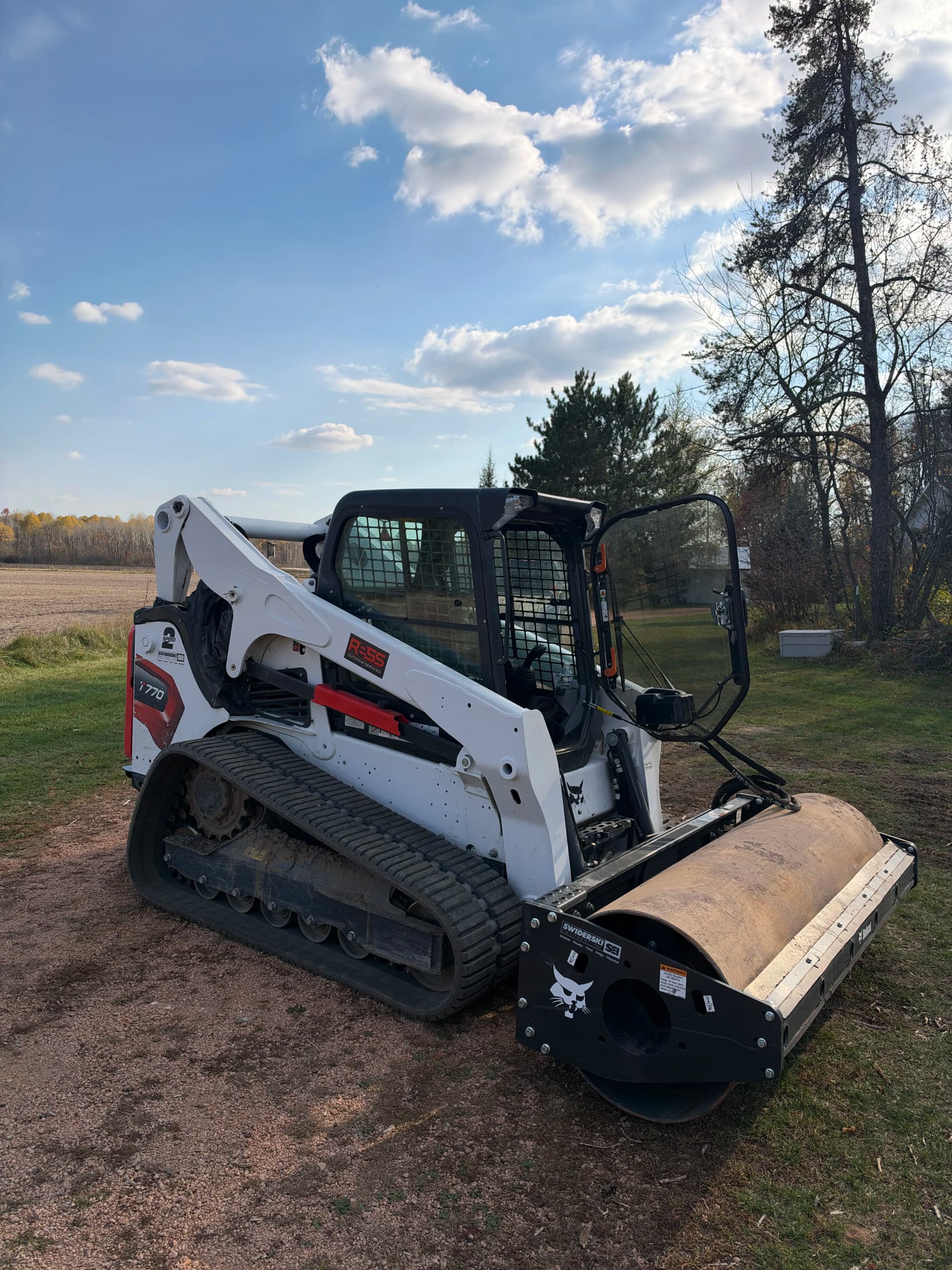
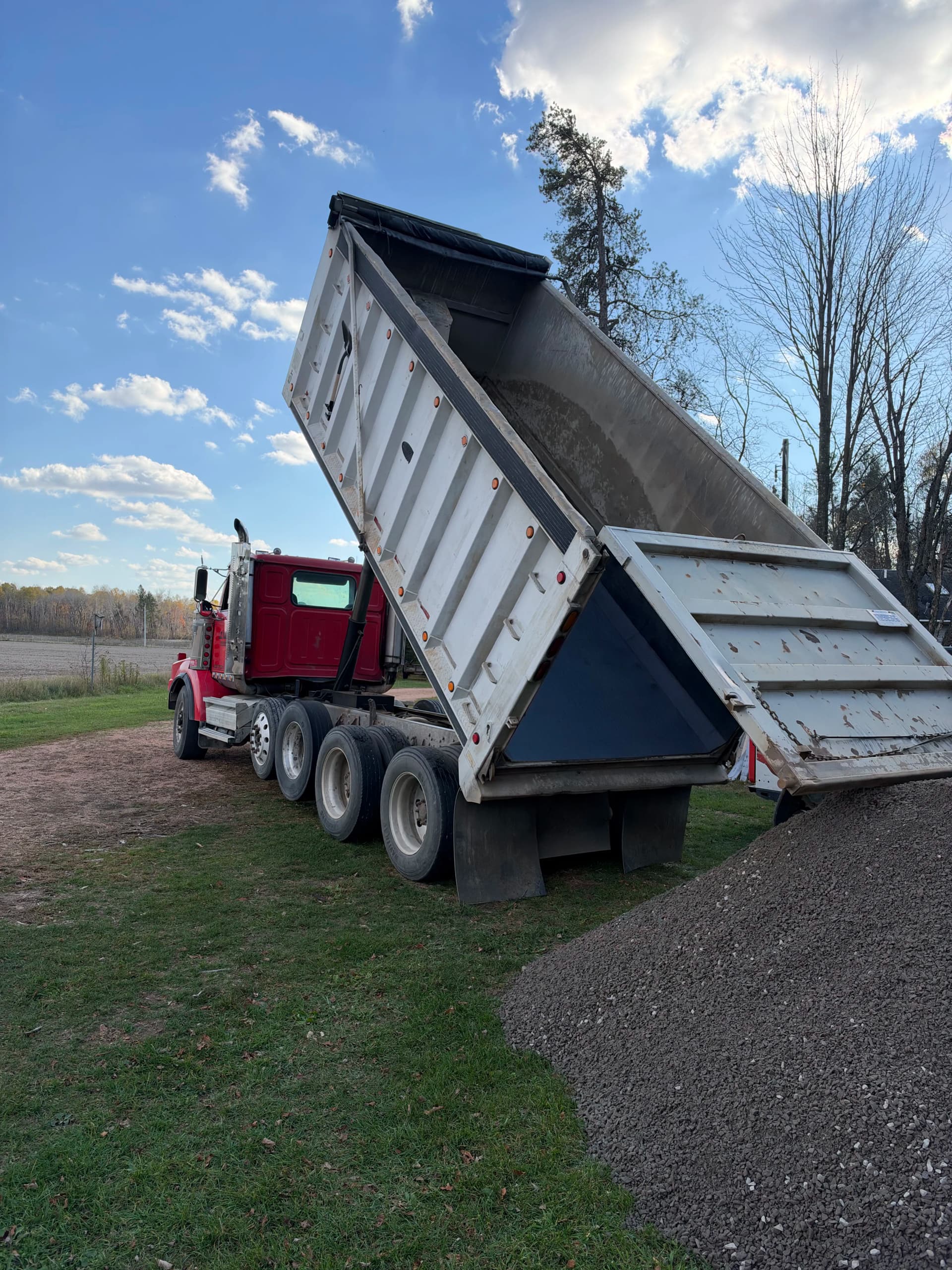
Here's what we were working with on this one: a brand-new Cleary pole barn in Kronenwetter that needed a gravel floor before the owner could really put it to work. We hauled in the material, spread it out wall to wall, and used our Bobcat T770 with a roller attachment to compact it all down into a clean, firm surface.
That compaction step is what separates a gravel floor that holds up from one that just shifts around underfoot. A loose gravel floor will rut out fast - especially if you're pulling vehicles or heavy equipment in and out. Rolling it down tight gives you a stable base that drains well and stays put.
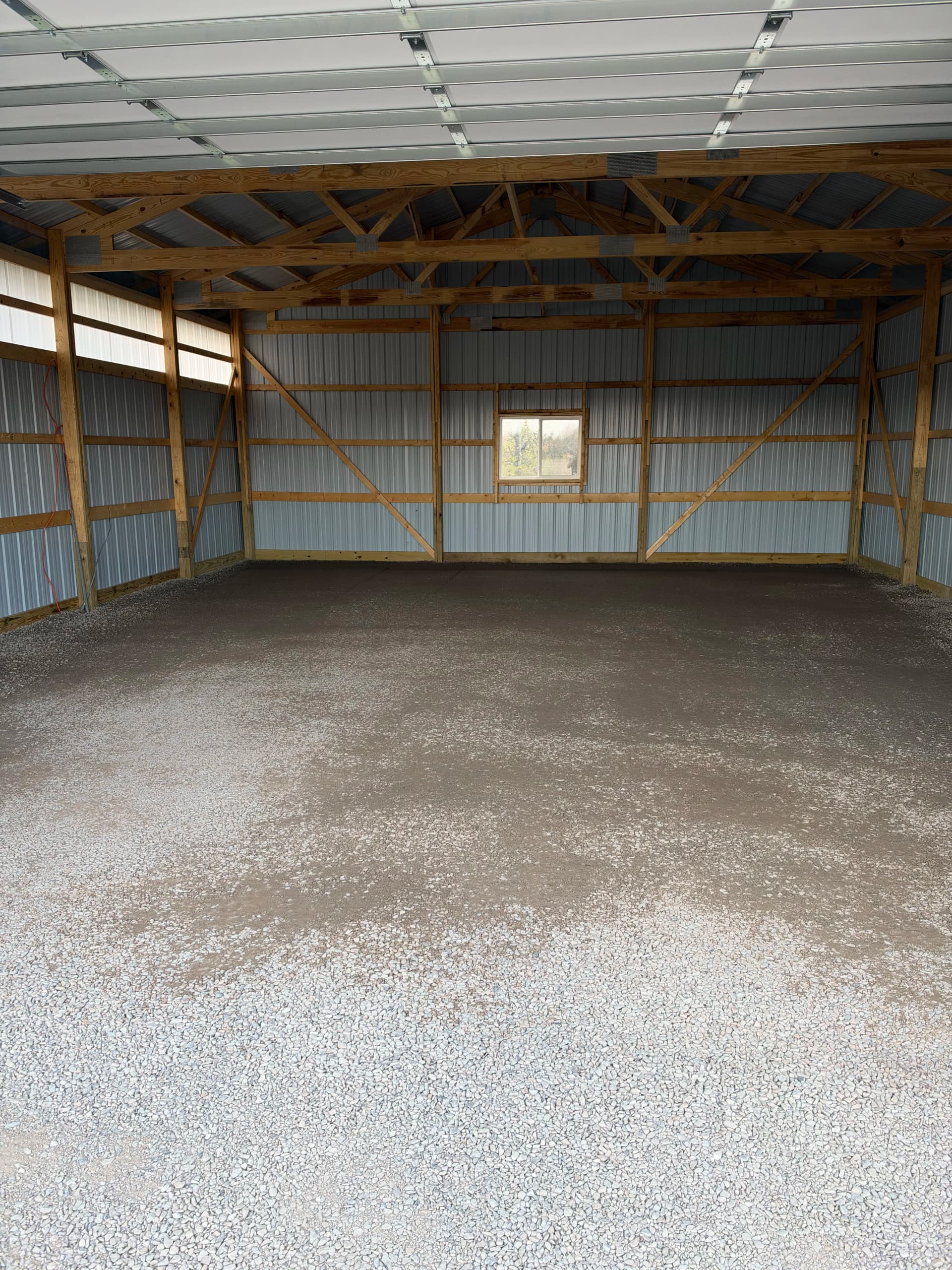
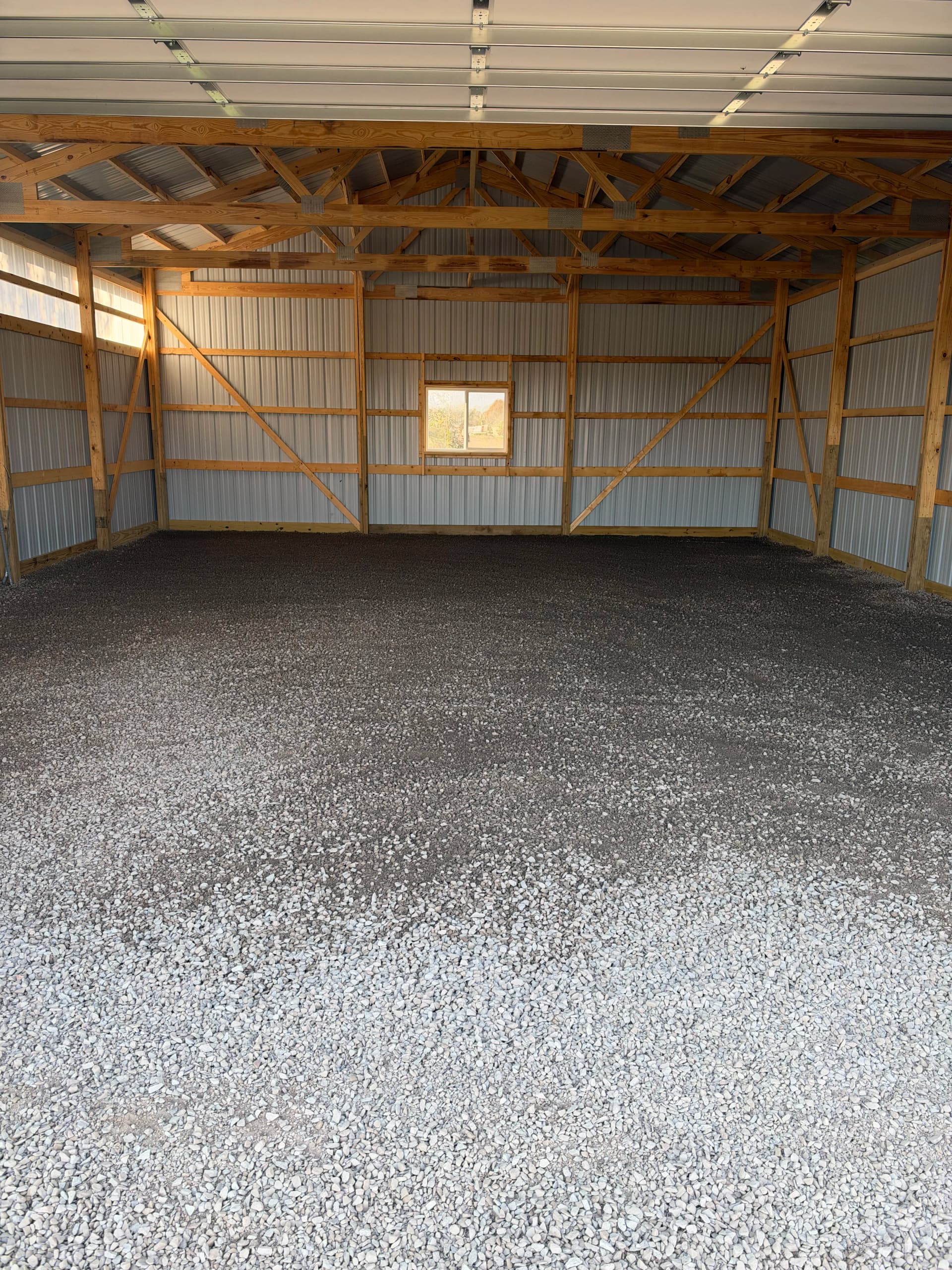
The finished floor runs all the way to the edges, corner to corner, with good coverage throughout. It's the kind of base that makes a building actually functional - not just a shell sitting on bare ground. Whether you're storing equipment, working on vehicles, or just need a dry covered space, a compacted gravel floor gets you there without the cost of concrete.
If you've got a new build that needs a gravel floor - or an older structure where the ground has gotten rough and uneven - this is exactly the kind of work we do. Pole barn floors, driveways, parking areas. We've got the equipment and the material to get it done right.